
SMS σε Πελάτες και GDPR: Τι Ισχύει για τις Επιχειρήσεις
Συναίνεση, opt-out και η κρίσιμη διαφορά ανάμεσα σε συναλλακτικά και διαφημιστικά μηνύματα — με απλά λόγια
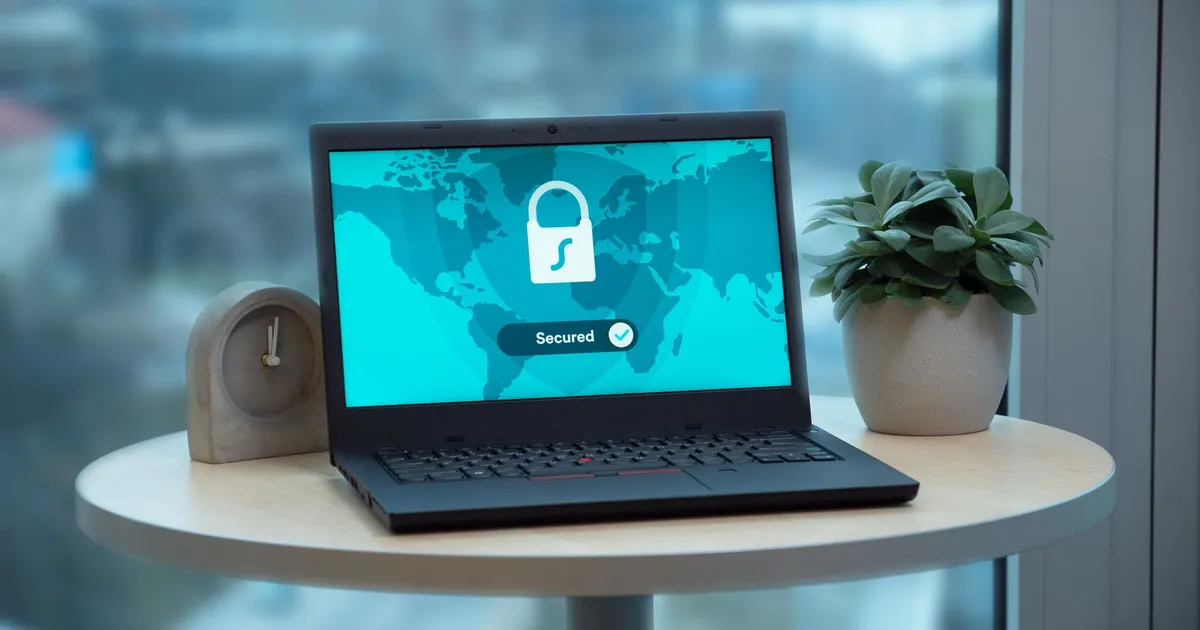
Το GDPR δεν απαγορεύει τα SMS σε πελάτες — ορίζει όμως πότε και πώς επιτρέπεται να τα στέλνετε. Ο βασικός κανόνας με απλά λόγια: οι υπενθυμίσεις ραντεβού είναι συναλλακτικά μηνύματα που εξυπηρετούν κάτι που ζήτησε ο ίδιος ο πελάτης, ενώ τα διαφημιστικά μηνύματα απαιτούν συναίνεση και εύκολο τρόπο διαγραφής. Το άρθρο αυτό εξηγεί τα βασικά — είναι γενική ενημέρωση και όχι νομική συμβουλή.
Συναλλακτικά vs Διαφημιστικά: Η Διάκριση που Μετράει
Πριν από οτιδήποτε άλλο, ξεχωρίστε τα δύο είδη μηνυμάτων:
- Συναλλακτικά μηνύματα: υπενθύμιση ραντεβού, επιβεβαίωση κράτησης, ειδοποίηση αλλαγής ώρας. Εξυπηρετούν τη συναλλαγή που ξεκίνησε ο πελάτης — το ραντεβού του.
- Διαφημιστικά μηνύματα: προσφορές, εκπτώσεις, ευχές με προωθητικό περιεχόμενο, ενημερώσεις για νέες υπηρεσίες. Στόχος τους είναι η προώθηση, όχι η εξυπηρέτηση συγκεκριμένου ραντεβού.
Η υπενθύμιση του ραντεβού που έκλεισε ο ίδιος ο πελάτης θεωρείται εύλογο, αναμενόμενο μήνυμα: συνδέεται άμεσα με την υπηρεσία που ζήτησε. Αντίθετα, το διαφημιστικό SMS απαιτεί δική του νομική βάση — κατά κανόνα τη συναίνεση του πελάτη.
Τι Σημαίνει Συναίνεση στην Πράξη
- Ελεύθερη και συγκεκριμένη — ο πελάτης επιλέγει ενεργά να λαμβάνει προωθητικά μηνύματα, δεν «κληρώνεται» σε λίστα.
- Ενημερωμένη — γνωρίζει ποιος θα του στέλνει μηνύματα και τι είδους.
- Ανακλήσιμη — μπορεί να την αποσύρει όποτε θελήσει, τόσο εύκολα όσο τη έδωσε.
- Καταγεγραμμένη — πρέπει να μπορείτε να δείξετε πότε και πώς δόθηκε.
Πρακτικά: μη στέλνετε προσφορές σε όποιον απλώς σας άφησε το τηλέφωνό του για ένα ραντεβού. Το τηλέφωνο δόθηκε για την εξυπηρέτηση του ραντεβού — όχι ως γενική άδεια για marketing.
Το Opt-Out: Εύκολη Έξοδος, Πάντα
Για τα διαφημιστικά μηνύματα, ο πελάτης πρέπει να μπορεί να σταματήσει να τα λαμβάνει εύκολα — με μια απάντηση, έναν σύνδεσμο ή ένα τηλεφώνημα. Και όταν το ζητήσει, η διαγραφή από τη λίστα πρέπει να γίνεται άμεσα και οριστικά. Σημείωση: το opt-out από το marketing δεν σημαίνει ότι χάνει τις υπενθυμίσεις των ραντεβού του — αυτές συνεχίζουν κανονικά, γιατί εξυπηρετούν τα ραντεβού που ο ίδιος κλείνει.
Καλές Πρακτικές για τα Δεδομένα των Πελατών
- Συλλέγετε μόνο ό,τι χρειάζεστε — για μια υπενθύμιση αρκούν όνομα και κινητό.
- Χρησιμοποιείτε τα στοιχεία για τον σκοπό που δόθηκαν.
- Μη μοιράζεστε το πελατολόγιό σας με τρίτους χωρίς νομική βάση.
- Διαγράφετε στοιχεία όταν ζητηθεί — ο πελάτης έχει δικαίωμα διαγραφής.
- Επιλέγετε εργαλεία που δίνουν στον πελάτη τρόπο ακύρωσης και διαχείρισης των ραντεβού του.
Πώς Βοηθά το Wiiz
Το Wiiz είναι σχεδιασμένο γύρω από τη λογική του ιδιωτικού καναλιού: οι πελάτες σας δεν εκτίθενται σε κοινό marketplace και το πελατολόγιο παραμένει δικό σας. Οι SMS υπενθυμίσεις (από €0,06 ανά SMS) στέλνονται μόνο για ραντεβού που υπάρχουν στο ημερολόγιό σας — δηλαδή μόνο ως συναλλακτικά μηνύματα — ενώ οι καμπάνιες marketing είναι ξεχωριστή, διακριτή λειτουργία, ώστε τα δύο είδη επικοινωνίας να μην μπερδεύονται ποτέ.
Συχνές ερωτήσεις
Χρειάζομαι συναίνεση για να στείλω SMS υπενθύμιση ραντεβού;
Η υπενθύμιση ραντεβού είναι συναλλακτικό μήνυμα: εξυπηρετεί το ραντεβού που έκλεισε ο ίδιος ο πελάτης και είναι κάτι που εύλογα αναμένει. Διαφορετική είναι η περίπτωση των διαφημιστικών SMS, που κατά κανόνα απαιτούν συναίνεση.
Μπορώ να στείλω προσφορές στους πελάτες που έχουν κλείσει ραντεβού;
Όχι αυτόματα. Το ότι κάποιος σας έδωσε το κινητό του για ένα ραντεβού δεν σημαίνει ότι συναίνεσε σε διαφημιστικά μηνύματα. Για καμπάνιες προσφορών φροντίστε να έχετε συναίνεση και πάντα εύκολο τρόπο διαγραφής.
Τι πρέπει να περιλαμβάνει ένα διαφημιστικό SMS για να είναι σωστό;
Σαφή ταυτότητα αποστολέα και έναν εύκολο τρόπο εξαίρεσης από μελλοντικά μηνύματα — π.χ. σύνδεσμο ή αριθμό διαγραφής. Και φυσικά, να στέλνεται μόνο σε όσους έχουν συναινέσει.
Αν ο πελάτης κάνει opt-out, χάνει και τις υπενθυμίσεις;
Όχι. Το opt-out αφορά τα διαφημιστικά μηνύματα. Οι υπενθυμίσεις των ραντεβού που κλείνει συνεχίζουν να αποστέλλονται, γιατί εξυπηρετούν την ίδια του την κράτηση.
Ισχύουν τα ίδια σε Ελλάδα και Κύπρο;
Το GDPR ισχύει σε όλη την ΕΕ, άρα και στις δύο χώρες, μαζί με τους εθνικούς κανόνες για τις ηλεκτρονικές επικοινωνίες. Οι βασικές αρχές — συναίνεση για marketing, εύκολο opt-out, σεβασμός στα δεδομένα — είναι κοινές. Για ειδικές περιπτώσεις συμβουλευτείτε νομικό επαγγελματία.

Σχετικά με το Wiiz
Σωστή Επικοινωνία με τους Πελάτες σας
Με το Wiiz οι υπενθυμίσεις στέλνονται μόνο για πραγματικά ραντεβού και το πελατολόγιο μένει δικό σας — από €0,06 ανά SMS.
Ξεκίνα Δωρεάν